Publication
When Cyber Risk Moves: What the Tanker Cyberattacks Mean for Operational Technology and Transportation
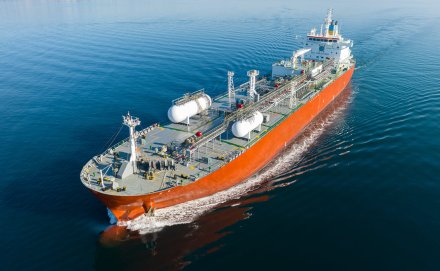
In August, two energy tankers traveling toward the United States became the subject of a federal cybersecurity investigation after indications that their onboard networks had been compromised. The Federal Bureau of Investigation (FBI) and U.S. Coast Guard boarded the vessels to assess the integrity of their information technology and operational technology systems.
One vessel, the VL Prosperity, was reportedly carrying more than two million barrels of oil toward Texas. Iranian state media claimed that attackers had accessed its propulsion, navigation, and cargo systems and interrupted communications for approximately 30 hours. Federal officials have not publicly confirmed those specific claims or identified the responsible actors.
Although authorities reported no operational disruption, vessel instability, crew danger, or environmental impact resulting from their intervention, the investigations raise an important question for transportation and critical-infrastructure leaders:
What happens when the technology supporting physical operations becomes the target of a cyberattack?
Why Transportation Cybersecurity Is More an IT Issue
Transportation organizations have always understood the importance of physical safety, equipment maintenance, emergency response, and keeping people and goods moving. Cybersecurity, however, may still be viewed primarily as a responsibility of the information technology department.
That distinction is becoming increasingly difficult to maintain.
Ships, aircraft, trains, trucks, ports, and logistics facilities depend on interconnected technologies for navigation, communications, dispatch, tracking, equipment monitoring, and physical operations.
What is Operational Technology (OT) in Transportation?
Operational technology (OT) includes the systems that monitor or control physical equipment and processes.
On a vessel, those systems may support:
- Vesselpropulsion, navigation and cargo handling
- Rail signaling and train control
- Fleet tracking, dispatch and telematics
- Port cranes, terminal equipment and logistics facilities
- Aircraft and airport ground systems
A cyber incident affecting these technologies can create consequences far beyond lost access to email or business applications. Depending on the systems affected, the potential impacts can include crew safety concerns, delayed shipments, interrupted transportation services, environmental consequences, and disruptions to the organizations depending on those services.
For transportation leaders, cybersecurity is increasingly part of operational preparedness.
What Happens When Your Technology Stops Moving with You?
Consider a transportation company that has detailed emergency plans for severe weather, mechanical failures, accidents, and hazardous-material incidents.
Now imagine its communications systems become unavailable, dispatching cannot reliably track vehicles, or an automated control system begins behaving unexpectedly.
- Who determines whether operations can continue safely?
- Can drivers, operators, or crews communicate through alternate methods?
- Can essential functions be performed manually?
- Who coordinates with customers, vendors, emergency responders, and regulatory authorities?
These are not simply questions for the IT department. They involve operations, safety, emergency management, business continuity, communications, and executive leadership.
The tanker incidents provide a reminder that a cyberattack does not need to destroy equipment to interrupt a transportation operation. Losing visibility into essential systems or confidence in the information those systems provide may be enough to require operational decisions.
Your Operational Dependencies Do Not Stop at Your Network: How Third-Party and Vendor Risk Affects Transportation Cybersecurity
An oil tanker does not operate in isolation. It depends on ports, satellite communications, navigation systems, energy infrastructure, equipment manufacturers, maritime operators, and logistics providers.
The same is true for railroads, trucking companies, airlines, transit systems, and other transportation organizations.
A company may protect its own network while remaining dependent on a third-party platform, maintenance provider, communications service, or operational system over which it has limited control.
The U.S. Maritime Administration (MARAD) has emphasized the importance of understanding vendor access, data-sharing permissions, and cybersecurity responsibilities across maritime operations.
The lesson for leadership: look beyond the organization's traditional cybersecurity boundary and understand the technology and third-party relationships that support its most critical operations.
What Should Transportation Leaders Be Doing Now?
The tanker investigations offer an opportunity for transportation organizations to revisit their cyber preparedness through an operational lens.
Five Cybersecurity Questions to Bring to Your Next Leadership Meeting
Use these as a discussion starter with operations, safety, IT, emergency management, and business continuity teams.
- Critical systems: Do we know which digital systems are essential to safely operating our vehicles, vessels, equipment, or facilities?
- Remote access: Who, including outside vendors, can remotely access those systems, and how is that access protected?
- Detection: Would we recognize unusual activity or a compromise affecting our operational technology?
- Continuity: Can we safely continue essential operations if communications, monitoring, dispatch, or automated controls become unavailable?
- Exercises: Have we exercised a cyber scenario that brings operations, safety, IT, emergency management, and executive leadership together?
Connect Cyber Planning to Existing Emergency Procedures
Cybersecurity planning should also connect directly with existing emergency-response and continuity procedures. Transportation organizations do not necessarily need an entirely separate operational response structure for cyber incidents, but they do need to ensure their existing procedures account for technology-driven disruptions.
A useful exercise might begin with a simple scenario: your transportation operation is functioning normally, but your organization suddenly loses reliable communications and visibility into several essential systems.
What happens next, and who has the authority to decide?
Cyber Preparedness Is Transportation Preparedness
The tanker investigations follow the water and wastewater attacks we discussed in September, where attackers accessed technology used to control physical water-system equipment.
Both incidents highlight the growing relationship between digital systems and essential physical services, although the publicly confirmed operational impacts of the two events differ.
For transportation organizations, this is an opportunity to evaluate whether cybersecurity has been incorporated into the safety, emergency-response, and business-continuity practices they already rely on.
A strong cyber program helps prevent incidents. A resilient transportation operation must also know how to recognize disruption, make safe decisions, communicate, and continue essential services when technology cannot be trusted.
Cybersecurity is no longer just about protecting the systems that support transportation. It is part of protecting transportation itself.
How Ice Miller Can Help
Ice Miller's Tech, Privacy & Cyber Risk team helps transportation and critical infrastructure organizations strengthen cyber resilience across IT and OT environments. That includes incident response planning, vendor risk and contract review, tabletop exercises and executive readiness. Contact our team.
This publication is intended for general information purposes only and does not and is not intended to constitute legal advice. The reader should consult with legal counsel to determine how laws or decisions discussed herein apply to the reader's specific circumstances.