Publication
2024 Cannabis Year in Review: The Joy, the Tears, the Hope for the Future
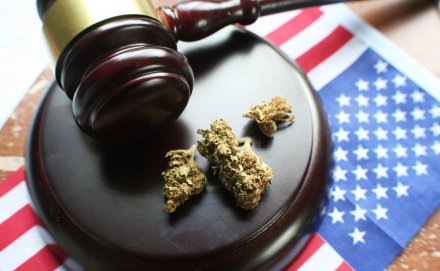
From the historic victories to the lows, 2024 was an exciting year for the cannabis industry.
Cannabis Reaches the Red States
Moving far from its beginnings in the blue strongholds of California and Colorado, cannabis legalization moved to the Midwest and South, with Ohio becoming the 24th state to legalize adult use cannabis and Kentucky and Nebraska both legalizing cannabis for medical use. Ice Miller’s Cannabis Team played a critical role in drafting and implementing the Ohio legislation that points to Ohio as a bright new spot on the national cannabis map. Nebraska was previously one of only three states with no provision for medical use, including low-THC and CBD products. With Kentucky legalizing for medical use, only four southern states – North Carolina, South Carolina, Tennessee, and Texas – have not legalized for medical or adult use.
In 2024, all eyes were on the crown jewel of cannabis legalization, Florida. The historic effort and coordination between industry and community leaders would have brought adult-use cannabis to what many anticipate will be one of the largest markets in the country, but the measure fell victim to aggressive messaging from opposition groups and election year politics. Despite the opposition, the measure received 55.9 percent of the vote, just short of the 60 percent needed, but sufficient to serve notice to state lawmakers that Florida voters support legalization and want to bring adult-use cannabis to the Sunshine State.
HHS Rescheduling Recommendation
After decades of federal prohibition, the United States Department of Health and Human Services (HHS) issued a letter to the Drug Enforcement Administration (DEA) recommending that marijuana be removed from Schedule I of the Federal Controlled Substances Act (CSA) and be reclassified as Schedule III instead. This historic step acknowledged the relative safety of marijuana compared to other substances, with HHS concluding that the “risks to the public health posed by marijuana are low compared to other drugs of abuse (e.g., heroin, cocaine, benzodiazepines) …” HHS also recognized the accepted medical uses of cannabis in the treatment and management of disease. Thus, the HHS recommendation was a major step on the path to ending the stigma surrounding cannabis and the first step on the path to ending federal prohibition.
DEA-Proposed Rescheduling Rule
Industry hopes soared with DEA-proposed rulemaking to move marijuana from Schedule I to Schedule III of the CSA and requested comment from the public; the DEA received more than 43,000 comments. Following the public comment period, members of the public, including scores of opposition groups, requested a hearing on the rule.
Just as hopes soared with the release of the proposed rule, they came crashing back down as news that the hearing, originally set for December 2, 2024, would be moved, and not commence until January 21, 2025, therefore dashing hopes of a 2024 end of Internal Revenue Code Section 280(e) affecting the punitive tax provisions applied to legal cannabis businesses. The hearing has been fraught with controversy, with some raising concerns about the participants selected to testify and the DEA’s commitment to the rule. Some see the hearing as a formality and others hold out hope for the reclassification of cannabis in early 2025. While the Trump campaign had initially signaled the potential for progress on rescheduling, there are many unknowns about how and even whether the process will move forward in 2025.
Hemp THC Market Growth Sparks Tensions Between Industries and Lawmakers
Hemp THC products were everywhere in 2024. From drinks to gummies, tinctures to topicals, hemp-derived THC products gained a major foothold in the cannabis market but fall outside of the state laws that otherwise regulate other cannabis products containing THC. Proponents argued the products are safe, legal, and responsibly marketed. Opponents raised concerns about inconsistent regulation and consumer safety. As the market for hemp-derived THC boomed, some cannabis companies pivoted to hemp products empowering them to sell products in interstate commerce without the limitations applied to state-regulated but federally illegal cannabis products.
State and federal lawmakers responded to the growth of the hemp-derived THC market with proposals to ban the products, to regulate these hemp-derived products like other cannabis products, to create unique frameworks to regulate hemp-derived THC products, or some combination of these options tailored to the priorities of each state. Federal lawmakers proposed amendments to the 2024 Farm Bill that would have limited the sale of intoxicating hemp products by defining “hemp” and “intoxicating hemp,” including the clarification that the 0.3 limit is on the total THC by dry weight (Senate amendments) or effectively banned all intoxicating hemp products (House amendments).
Lawsuits – pending and anticipated – that will impact an already inconsistent patchwork of regulations underscore the need for clarity and consistency in national hemp regulation.
Hopes For 2025
Marijuana Moves to Schedule III
Following the cancellation of the January 21 hearing on the DEA proposal to reschedule marijuana, the fate of the proposal remains uncertain. At minimum, the postponement will put President-elect Trump’s administration, including the incoming DEA Administrator, at the center of the efforts. In late November, President-elect Trump nominated Hillsborough County Florida Sheriff Chad Chronister to be the DEA Administrator, but Sherriff Chronister quickly took himself out of consideration for the position. Chronister supported some decriminalization efforts during his time as Sheriff. Trump’s pick for Attorney General, Pam Bondi, is currently Florida’s Attorney General. Her record on cannabis issues is less favorable than Matt Gaetz, who was the President-elect’s first pick to run the Department of Justice. However, Trump’s recent support of federal cannabis legalization may provide hope that the proposal moves forward. Other advisors to the President-elect, Elon Musk and Robert F. Kennedy Jr., are both vocal proponents of cannabis legalization and drug reform, providing additional cause for optimism that Trump will continue the process started by the Biden administration and move cannabis to Schedule III.
Financial Services Reform
Cannabis financial services reform has enjoyed bipartisan support. Industry stakeholders will continue to push for financial services reform for the cannabis industry, including access to banking and capital markets. With three new state markets opening, there is continued hope that reform proposals will find new backers. Additionally, the House Financial Services Committee has a new Chairman in Rep. French Hill from Arkansas, a state with a legal medical market for cannabis. Chairman Hill voted in favor of SAFE Banking in 2019, but it remains to be seen whether his position will change as Chairman of the new Committee.
States’ Rights
With control of Congress turning over to Republicans, many stakeholders have renewed hope for states’ rights-focused legislation that would protect states that opt to legalize and regulate cannabis. Historically, Republicans have expressed support for a states’ rights approach to cannabis legalization. We are likely to see a reintroduction of the States Act 2.0, a Republican-backed proposal that would remove “any marijuana manufactured, produced, possessed, distributed, dispensed, administered, or delivered in compliance with State law” from the Controlled Substances Act’s definition of marijuana. The bill, championed by Republican Cannabis Caucus leader David Joyce (R-OH), enjoyed backing from Libertarian groups including the Reason Foundation and Americans for Prosperity.
States Continue to Legalize
Following President-elect Trump’s expressed support of legalization, we are likely to see a renewed effort in red states, including the Carolinas, Georgia, Florida, Pennsylvania, and Indiana, where Ice Miller’s Cannabis Team is leading the charge to introduce and drive medical cannabis legislation this session. Despite setbacks in both Florida and Pennsylvania, voter support for legalization and the Trump administration’s shifting views on cannabis should incentivize ongoing collaboration between lawmakers and advocates to bring legislation to their states.
Clarity on Hemp Regulation
Despite differing approaches, stakeholders and regulators continue to push for federal and state reform to provide clarity on hemp regulation, including the legality of finished products containing hemp-derived THC. With reauthorization of the Farm Bill stalled, we anticipate a reintroduction of the bill and subsequent amendments in 2025. It is likely the new Republican-controlled Senate and Administration will weigh in heavily with whatever the Farm Bill says on hemp-derived cannabis products. The industry should be watching closely and engaging with state and Farm Bill stakeholders on a way to move forward. The hemp industry – especially the beverage market – should continue to closely monitor litigation and major decisions that have the possibility of impacting the viability of sensible regulations.
This publication is intended for general information purposes only and does not and is not intended to constitute legal advice. The reader should consult with legal counsel to determine how laws or decisions discussed herein apply to the reader's specific circumstances.