Publication
Coming Soon – New Higher Tariffs
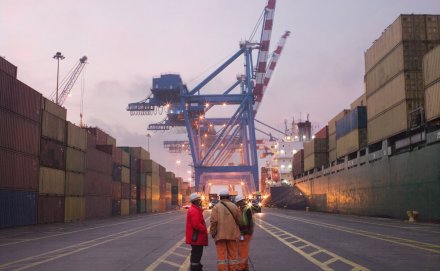
With slightly more than a month to go until he takes office, President-elect Trump has indicated that new tariffs (also known as customs duties, which are taxes on imported goods) are likely to be one of his priorities. One of the lasting legacies of Trump’s first term is the tariffs he imposed on steel and aluminum products globally and the tariffs levied on a long list of products from China. In recent statements, Trump has said that he plans to raise the tariffs on Chinese goods and that he will impose new 25 percent tariffs on goods from Mexico and Canada.
The announcement that Trump would extend tariffs on all imports from Canada and Mexico has come as a surprise to many, as doing so would be inconsistent with the U.S.-Mexico-Canada Agreement (USMCA), which Trump negotiated and signed during his first term. Some have speculated that his statements may be a negotiation tactic, as Trump has stated that these tariffs will be imposed unless those countries take more steps to control the flow of illegal drugs (especially fentanyl) and illegal immigrants into the United States.
Nevertheless, businesses (including importers) should prepare for a changing tariff landscape, as Trump has signaled the likelihood of increased tariffs in more than one way, including announcing the nomination of Jamieson Greer as U.S. Trade Representative. Greer was instrumental in implementing the tariffs on Chinese goods during Trump’s first term, participating in negotiations with China as Chief of Staff under U.S. Trade Representative Robert Lighthizer.
What can businesses do to prepare?
Even if they are not direct importers, businesses should be evaluating their supply chains and identifying key products that are imported or not easily produced or acquired within the United States. Exploring alternative sources in other countries and reviewing supply agreements to determine which party bears the cost (and risk) of new tariffs are important steps that companies can take now. It can also be useful to analyze what kinds of further processing in a third country would constitute a sufficient change to a product that allows it to be considered the product of that third country. Companies that do a lot of exporting should also be prepared for the possibility of retaliatory tariffs implemented by our trading partners. Companies will want to strategize about the potential impact to their supply chains and business operations, which Ice Miller can assist with.
Once the new administration publishes a product list for the proposed tariffs, there may be opportunities to comment on those products’ inclusion on the list. During the previous Trump administration, importers also had an opportunity to apply for exclusions, although there is no guarantee that this option will be available this time.
There is a lot of uncertainty around what Trump’s process will be and how far the tariffs will reach, but it seems inevitable that there will be new tariffs imposed by his administration. If you have any questions about developing a trade risk strategy, lobbying the administration, analyzing supply chains and possible tariff exposure, applying for exclusions, or modifying your supply agreements or terms and conditions, please feel free to contact a member of Ice Miller’s international trade team.
This publication is intended for general information purposes only and does not and is not intended to constitute legal advice. The reader should consult with legal counsel to determine how laws or decisions discussed herein apply to the reader's specific circumstances.