Remote Worker Fraud: Balancing Company Security Measures With Anti-Discrimination Obligations When Hiring
When:
February 26, 2026 at 1:00 p.m. EST
People:
Jennifer S. Jackman
Location:
Video Webinar
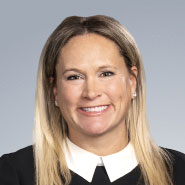
Ice Miller partner Jen Jackman will be participating in a live video webinar titled, "Remote Worker Fraud: Balancing Company Security Measures With Anti-Discrimination Obligations When Hiring."
This CLE webinar will examine remote worker fraud issues facing employers and how counsel may help their employer clients protect the company by developing robust hiring practices while still adhering to their anti-discrimination obligations under federal and state employment laws. As a case study, the panel will examine the North Korean remote IT worker fraud scheme that has impacted hundreds of U.S. companies and discuss lessons that can be learned when hiring remote employees. The panel will also offer best practices for minimizing fraud risks.
Description:
Along with the advent of remote work in recent years has come an increase in remote worker fraud. Remote worker fraud manifests in various forms—from the lower end of the spectrum where workers lie about their experience and fabricate references, to workers outsourcing job responsibilities to third parties, and then to more advanced, large-scale schemes involving criminal networks infiltrating organizations to steal sensitive data and currency.
A recent example of the most sophisticated level of remote worker fraud involves the Democratic People's Republic of Korea (North Korea) that has inserted North Korean IT workers into remote roles in U.S.-based companies where they funnel the proceeds of their employment back into North Korea to fund, among other things, its illicit weapons program.
The workers use fake and stolen identities to be hired, gain access to, and in some cases steal, sensitive employer information such as export-controlled U.S. military technology and virtual currency. Law enforcement at the federal and state levels has targeted the criminal networks perpetrating this scheme; however, the damage has been done to hundreds of U.S. companies where these workers have gained access to sensitive systems and data to be used for malicious purposes and where companies may face severe penalties under U.S. sanctions laws for even unknowingly providing payments to sanctioned parties.
Given these developments, companies are caught between two competing areas of legal risk: creating more stringent employee screening/hiring practices to protect the business while adhering to anti-discrimination obligations under federal and state employment laws.
Listen as our expert panel examines remote worker fraud issues facing employers and discusses how employers can strengthen their screening/hiring practices to minimize security risks while also maintaining their anti-discrimination obligations. The panel will examine lessons that can be learned from the North Korean remote IT worker scheme and offer best practices for guiding employer clients through this compliance minefield.
Panelists:
- Caroline E. Brown, Partner, Crowell & Moring
- Jennifer S. Jackman, Office Managing Partner, Ice Miller LLP
- Jillian Seifrit, CIPP, US, Attorney, Fisher & Phillips LLP